OBSAH

Bolestivé gynekologické vyšetrenie a nepríjemný pohlavný styk: Môže za to prílišné napätie panvového dna?

Picture of tobe_admin

tobe_admin

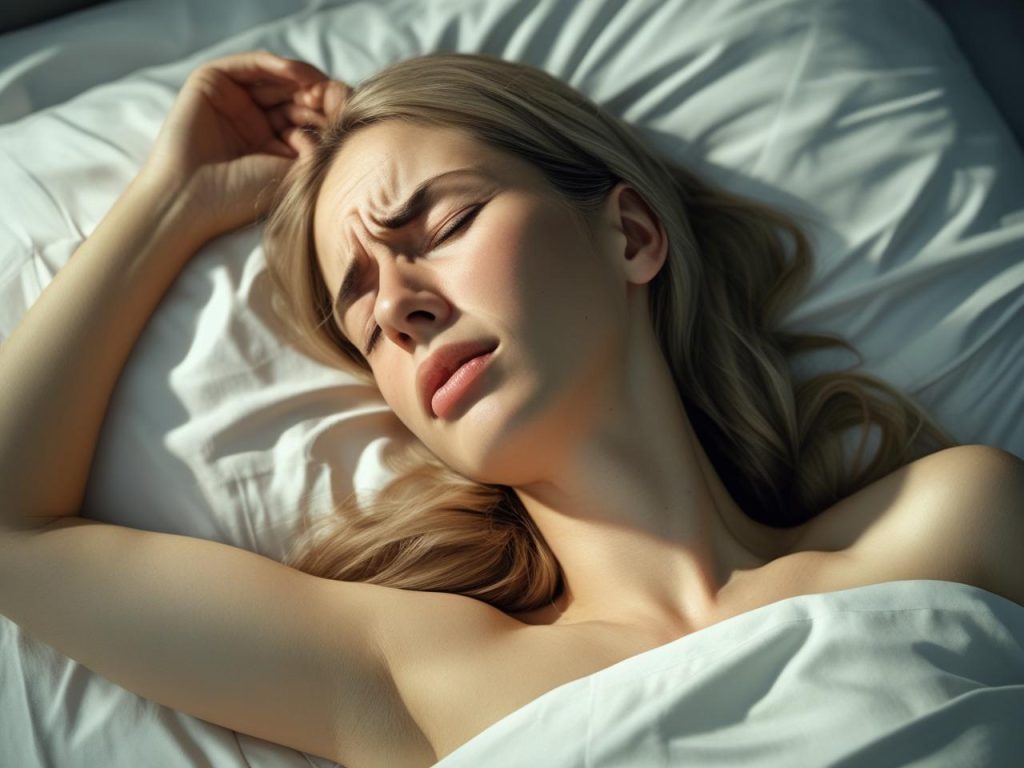
Mnohé ženy zažijú v určitom období života situáciu, keď ich prekvapí bolesť počas gynekologického vyšetrenia alebo nepríjemné pocity pri intímnom styku. Ak sú všetky lekárske výsledky v poriadku, no problémy pretrvávajú, môže byť príčina ukrytá inde – napríklad v nadmernom napätí svalov panvového dna.

Napäté panvové dno – skrytá príčina bolesti

Ako vzniká nadmerné napätie?

Zvýšený tonus (napätie) panvového dna môže vzniknúť v dôsledku:

  • Dlhodobého stresu a psychického vyčerpania,

  • extrémnej fyzickej záťaže,

  • zápalu močových ciest alebo vaginálneho zápalu,

  • operačných zákrokov v oblasti panvy, brucha alebo bedrových kĺbov,

  • bolestivých alebo traumatických zážitkov.

To všetko sú faktory, ktoré môžu viesť k reflexnému zvýšeniu napätia svalov panvového dna,“ vysvetľuje intímna fyzioterapeutka Katarína Hanuliaková, MSc z centra IntimFyzio.

Ako sa prejavuje zvýšené napätie panvového dna?

Typické príznaky sú:

  • Bolestivosť počas gynekologického vyšetrenia,

  • nepríjemné až bolestivé pocity pri pohlavnom styku,

  • pocit tlaku alebo napätia v oblasti podbruška,

  • časté nutkanie na močenie alebo pocit neúplného vyprázdnenia,

  • problémy s trávením a časté zápchy

  • neschopnosť uvoľniť sa

Riešenie existuje – je ňou fyzioterapia panvového dna

Cielená gynekologická fyzioterapia dokáže obnoviť správnu funkciu svalov panvového dna a odstrániť ich nadmerné napätie. Ide o neinvazívnu a efektívnu metódu, ktorá pomáha telu vrátiť sa do rovnováhy.

Čo znamená normotónia?

Normotónia je stav, kedy sú svaly panvového dna primerane napnuté – ani ochabnuté, ani príliš stiahnuté. Práve v tomto stave – normotónii dokáže panvové dno efektívne plniť svoje funkcie:

  • Podporovať panvové orgány,

  • prispieť k správnemu vyprázdňovaniu,

  • pomáhať pri správnom dýchaní,

  • umožňovať pohlavný styk bez bolesti, naopak s možnosťou dosiahnuť orgazmus.

Cieľom fyzioterapie je navodiť práve túto normotóniu a pomôcť ženám opäť cítiť sa dobre vo vlastnom tele,“ dodáva intímna fyzioterapeutka Katarína Hanuliaková.

Neodkladajte riešenie problémov

Ak ste zažili bolestivé gynekologické vyšetrenie alebo máte nepríjemné pocity pri pohlavnom styku, nenechávajte to bez riešenia. Aj keď výsledky vyšetrení nič nepreukážu, vaše telo vám dáva signál, že potrebuje vašu pozornosť. Správnym krokom je návšteva fyzioterapeutky špecializovanej na panvové dno. Už pár spoločných sedení môže výrazne zmeniť kvalitu vášho života.


Intímne zdravie si zaslúži vašu pozornosť

Bolestivý pohlavný styk či gynekologické vyšetrenie nie je v poriadku len preto, že výsledky vyzerajú dobre. Ak pociťujete nepohodu, hľadajte príčinu a riešenie.

V centre IntimFyzio vám pomôžeme obnoviť rovnováhu a komfort.

Objednajte sa na vyšetrenie – klik sem

Zistite viac o fyzioterapii panvového dna – klik sem

CITLIVÝ PRÍSTUP

Potrebujete viac?

Ak potrebujete vedieť viac, objednajte sa 

SÚVISIACE TÉMY

→ Šestonedelie
→ Panvové dno
→ GravidityFyzio
→ KidsFyzio

The body does not need to be fixed. It needs to be understood.

I am a woman, wife, mother and physiotherapist. Over the years of practice, I have realised that health does not come only from eliminating symptoms or solving a specific problem. Real change comes when a person begins to better understand themselves, their body, and the way they live their life.

It was this idea that led me to create the space you know today as ToBe – a place where different areas of expertise, perspectives, and approaches to health are interconnected. A place that does not see a person only through a diagnosis or individual symptoms, but as a unique whole.

My professional journey began in physiotherapy and the musculoskeletal system. Over time, clients and their stories gradually led me deeper – from working with the body through the pelvic floor to understanding the meaning of emotions, the psyche, and the functioning of the nervous system. Today, I see the body as the bearer of a person’s story, and therapy as a space where we can get to know that story, understand it, and support its natural process of change.

How I work

Years of practice have taught me to slow down. To listen more. To place less emphasis on performance, results, or quick change.

In therapy, I strive to create a safe space where clients can become more aware of their bodies, their needs, and the connections between what they are experiencing and what is happening on a physical level. I don’t focus only on symptoms; I also look for their possible causes and the context in which they arise.

Over the years, I have become increasingly aware of how closely the body, mind, and nervous system are connected. This is why I naturally integrate a psychosomatic perspective and the principles of nervous system regulation into my work – gently, clearly, and always with respect for where each client is in their own process.

I believe the body has a remarkable capacity for healing and renewal. Sometimes it doesn’t need more pressure — it needs understanding, a sense of safety, and the right conditions to begin functioning in a different way.

What I can help you with

In my practice, I specialise mainly in:

  • urogynecological physiotherapy
  • pelvic floor dysfunction
  • incontinence
  • painful conditions after childbirth
  • preparation for childbirth and postpartum recovery
  • painful menstruation
  • pain during sexual intercourse
  • functional disorders of the musculoskeletal system
  • chronic pain without an organic cause
  • unintegrated scars
  • psychosomatic connections of health problems
  • regulation of the nervous system

Methods and approaches I use

In my work, I connect physiotherapy with knowledge from psychosomatics, work with the nervous system, and a holistic therapeutic approach. I mainly use:

  • urogynecological physiotherapy
  • pelvic floor therapy
  • diagnosis and therapy of functional disorders of the musculoskeletal system
  • visceral manipulation
  • osteopathic principles
  • craniosacral therapy
  • psychosomatic approach in physiotherapy
  • principles of nervous system regulation
  • knowledge from Somatic Experiencing® training

In therapy, I combine professional knowledge with a sensitive perception of the person and their story. My goal is not only to relieve the problem, but to support the client in better understanding themselves and their body.

ToBe – the concept

ToBe grew naturally out of the original IntimFyzio centre. Over time, I increasingly felt the need to bring different areas of expertise together and create a place where a person does not have to be divided into separate parts.

Today, ToBe is a multidisciplinary space where physiotherapy, psychology, psychotherapy, women’s health, traditional Chinese medicine, work with the nervous system, and other approaches come together – united by a common idea: to see a person in their entirety and create the conditions for health, growth, and a deeper connection with oneself.

Education and professional development

I studied physiotherapy at the Faculty of Medicine of Comenius University in Bratislava, and completed my master’s degree at the University of Brighton in the United Kingdom.

I have completed a specialisation in functional and structural disorders of the musculoskeletal system at the Slovak Medical University in Bratislava. I hold a licence for independent medical practice and am a member of the Slovak Chamber of Physiotherapists.

Training that has significantly shaped my therapeutic approach

  • Somatic Experiencing® (currently in training, Lilian Troost)
  • Psychosomatic approach in physiotherapy (CKP Edu, Prague)
  • Visceral manipulation and osteopathic approach (Inge Schuermans, MSc)
  • Birth trauma in physiotherapy and self-regulation tools in client practice (Mgr. Radka Tomášková)
  • Holistic approach to scar and pelvic floor therapy (PhDr. Michaela Prokešová, PhD.)
  • Traditional care for women and mothers (Angelina Miranda Martinez)
  • Osteopathic approach in pregnancy and gynaecological dysfunctions (Inge Schuermans, Jory Paul)
  • Ludmila Mojžišová method (Mgr. Jana Jedličková)
  • Physiotherapy of pelvic floor dysfunction and urinary incontinence (Prof. Magdaléna Hágovská, Mgr. Zuzana Woleková)
  • Craniosacral therapy (Mgr. Helena Toušková, Upledger Institute)
  • Certified DNS Therapist Diploma (Prof. Pavel Kolář)
  • Diagnosis and Therapy of Functional Disorders of the Musculoskeletal System (Eva Janíková)
  • Stott Pilates (Jitka Kadish)

I believe health is not a goal to be achieved. It is a relationship we build with ourselves, our bodies, and our lives – and it is a journey I love to accompany my clients on.