OBSAH

Ako môžem precítiť a precvičiť svoje panvové dno?

Picture of tobe_admin

tobe_admin

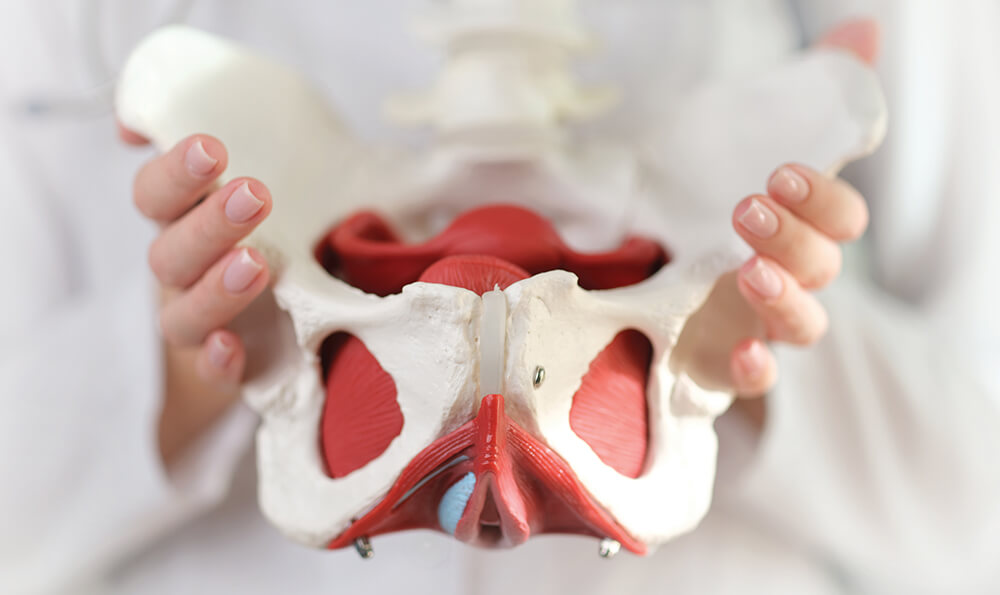
Aby ste našli a precítili svoje panvové dno, je vhodné si aspoň trochu zopakovať anatómiu. Panvové dno je tvorené mäkkými tkanivami, ktoré vystieľajú panvovú spodinu-naše dno. Svalové vlákna dna vytvárajú a ústia do vonkajších zvieračov. Pod touto pomyselnou povrchovou vrstvou sa nachádzajú vlákna, ktoré prepájajú priestor medzi sedacími hrbolmi. Sedacie kosti sú tie „kamošky“, ktoré nás tlačia a bolia pri bicyklovaní. Pod touto vrstvou sa nachádza ešte jedna, tá najhlbšia, v ktorej svalové vlákna prepájajú lonovú kosť s oblasťou kostrče.

Anatomicky ide o pomerne komplikovaný systém, ktorý je vo svojej podstate dokonalý a plne prispôsobený na prácu, ktorú neustále vykonáva. Panvové dno plní veľa funkcii a účastní sa na mnohých procesoch. Ak funguje správne, tak by sme o ňom v princípe nemali vedieť. Je to podobné ako s dýchaním – keď všetko funguje ako má, nad dýchaním nerozmýšľame. O panvovom dne takisto nerozmýšľame, počas dňa si ho nijak špeciálne neuvedomujeme. Keď počas dňa potrebujeme ísť na toaletu sa vyprázdniť, tak sa to skrátka udeje.

Akonáhle však nastane nejaká porucha v panvovej oblasti, táto oblasť sa stane stredobodom našej pozornosti. Zrazu si túto oblasť viac uvedomujeme, sme k nej všímavejší, pozorujeme či nás tam dole niečo bolí, tlačí, dráždi. Častým prejavom porušenej funkcie panvového dna býva aj nafukovanie brucha, bolestivá menštruácia, či bolesti pri styku, taktiež sa môžu objaviť problémy s močením a vyprázdňovaním.

Svoje panvové dno si dokážete veľmi jednoducho vyšetriť a nacítiť aj samé. Stačí, že si zavediete jeden prst vaginálne, teda do pošvy a skúsite aktivovať svaly panvového dno. Tzn. že prst, ktorý máte vo vagíne skúsite svalmi obchytiť, vtiahnuť dnu a následne uvoľniť. Takto zistíte aspoň základnú informáciu, či ste schopná vedomej kontrakcie a následného uvoľnenia. Obe tieto akcie – stiahnutie aj uvoľnenie sú veľmi dôležité.

Svoje panvové dno dokážete precvičovať pri každodenných aktivitách, stačí, že si svoje panvové dno uvedomíte, predstavíte si danú oblasť a skúsite vykonať niekoľko vedomých kontrakcií. Pri výdychu vtiahnite panvové dno, všetky tri vrstvy dovnútra a následne s nádychom uvoľnite. Tiež môžete trénovať ako keby vytrvalosť panvového dna tak, že vtiahnete všetky zvierače, niekoľko sekúnd podržíte a následne uvoľníte. Takýmto spôsobom svoje panvové dno posilňujete, tonizujete a dostávate ho pod vedomú kontrolu. Je vhodné s panvovým dnom pracovať v rôznych polohách, nielen v ľahu, ale aj v sede, stoji a dokonca v stoji na jednej nohe.

Medzi ľuďmi koluje MÝTUS, že svaly panvového dna precvičujeme aj pri prerušovanom močení, teda keď zastavujeme prúd moču. Toto je veľmi nezdravý spôsob a môžete si ním vytvoriť závažný problém. Jednorázovo si vyskúšať takéto prerušenie je v poriadku, aby ste si vyskúšali, či to dokážete urobiť, no takýmto pravidelným trénovaním si viete privodiť reálny problém, pretože si narušíte mikčný reflexný dej. Pri nutkaní na malú potrebu nám mozog dáva informáciu, že je nutné močový mechúr vyprázdniť a vtedy sa potrebujeme úplne uvoľniť, uvoľniť panvové dno, rozšíriť močovú trubicu a dobre močový mechúr vyprázdniť. Pokiaľ budete tento reflex pravidelne narúšať, tak si môžete vytvoriť syndróm urgencie.

CITLIVÝ PRÍSTUP

Potrebujete viac?

Ak potrebujete vedieť viac, objednajte sa 

SÚVISIACE TÉMY

→ Šestonedelie
→ Panvové dno
→ GravidityFyzio
→ KidsFyzio

The body does not need to be fixed. It needs to be understood.

I am a woman, wife, mother and physiotherapist. Over the years of practice, I have realised that health does not come only from eliminating symptoms or solving a specific problem. Real change comes when a person begins to better understand themselves, their body, and the way they live their life.

It was this idea that led me to create the space you know today as ToBe – a place where different areas of expertise, perspectives, and approaches to health are interconnected. A place that does not see a person only through a diagnosis or individual symptoms, but as a unique whole.

My professional journey began in physiotherapy and the musculoskeletal system. Over time, clients and their stories gradually led me deeper – from working with the body through the pelvic floor to understanding the meaning of emotions, the psyche, and the functioning of the nervous system. Today, I see the body as the bearer of a person’s story, and therapy as a space where we can get to know that story, understand it, and support its natural process of change.

How I work

Years of practice have taught me to slow down. To listen more. To place less emphasis on performance, results, or quick change.

In therapy, I strive to create a safe space where clients can become more aware of their bodies, their needs, and the connections between what they are experiencing and what is happening on a physical level. I don’t focus only on symptoms; I also look for their possible causes and the context in which they arise.

Over the years, I have become increasingly aware of how closely the body, mind, and nervous system are connected. This is why I naturally integrate a psychosomatic perspective and the principles of nervous system regulation into my work – gently, clearly, and always with respect for where each client is in their own process.

I believe the body has a remarkable capacity for healing and renewal. Sometimes it doesn’t need more pressure — it needs understanding, a sense of safety, and the right conditions to begin functioning in a different way.

What I can help you with

In my practice, I specialise mainly in:

  • urogynecological physiotherapy
  • pelvic floor dysfunction
  • incontinence
  • painful conditions after childbirth
  • preparation for childbirth and postpartum recovery
  • painful menstruation
  • pain during sexual intercourse
  • functional disorders of the musculoskeletal system
  • chronic pain without an organic cause
  • unintegrated scars
  • psychosomatic connections of health problems
  • regulation of the nervous system

Methods and approaches I use

In my work, I connect physiotherapy with knowledge from psychosomatics, work with the nervous system, and a holistic therapeutic approach. I mainly use:

  • urogynecological physiotherapy
  • pelvic floor therapy
  • diagnosis and therapy of functional disorders of the musculoskeletal system
  • visceral manipulation
  • osteopathic principles
  • craniosacral therapy
  • psychosomatic approach in physiotherapy
  • principles of nervous system regulation
  • knowledge from Somatic Experiencing® training

In therapy, I combine professional knowledge with a sensitive perception of the person and their story. My goal is not only to relieve the problem, but to support the client in better understanding themselves and their body.

ToBe – the concept

ToBe grew naturally out of the original IntimFyzio centre. Over time, I increasingly felt the need to bring different areas of expertise together and create a place where a person does not have to be divided into separate parts.

Today, ToBe is a multidisciplinary space where physiotherapy, psychology, psychotherapy, women’s health, traditional Chinese medicine, work with the nervous system, and other approaches come together – united by a common idea: to see a person in their entirety and create the conditions for health, growth, and a deeper connection with oneself.

Education and professional development

I studied physiotherapy at the Faculty of Medicine of Comenius University in Bratislava, and completed my master’s degree at the University of Brighton in the United Kingdom.

I have completed a specialisation in functional and structural disorders of the musculoskeletal system at the Slovak Medical University in Bratislava. I hold a licence for independent medical practice and am a member of the Slovak Chamber of Physiotherapists.

Training that has significantly shaped my therapeutic approach

  • Somatic Experiencing® (currently in training, Lilian Troost)
  • Psychosomatic approach in physiotherapy (CKP Edu, Prague)
  • Visceral manipulation and osteopathic approach (Inge Schuermans, MSc)
  • Birth trauma in physiotherapy and self-regulation tools in client practice (Mgr. Radka Tomášková)
  • Holistic approach to scar and pelvic floor therapy (PhDr. Michaela Prokešová, PhD.)
  • Traditional care for women and mothers (Angelina Miranda Martinez)
  • Osteopathic approach in pregnancy and gynaecological dysfunctions (Inge Schuermans, Jory Paul)
  • Ludmila Mojžišová method (Mgr. Jana Jedličková)
  • Physiotherapy of pelvic floor dysfunction and urinary incontinence (Prof. Magdaléna Hágovská, Mgr. Zuzana Woleková)
  • Craniosacral therapy (Mgr. Helena Toušková, Upledger Institute)
  • Certified DNS Therapist Diploma (Prof. Pavel Kolář)
  • Diagnosis and Therapy of Functional Disorders of the Musculoskeletal System (Eva Janíková)
  • Stott Pilates (Jitka Kadish)

I believe health is not a goal to be achieved. It is a relationship we build with ourselves, our bodies, and our lives – and it is a journey I love to accompany my clients on.